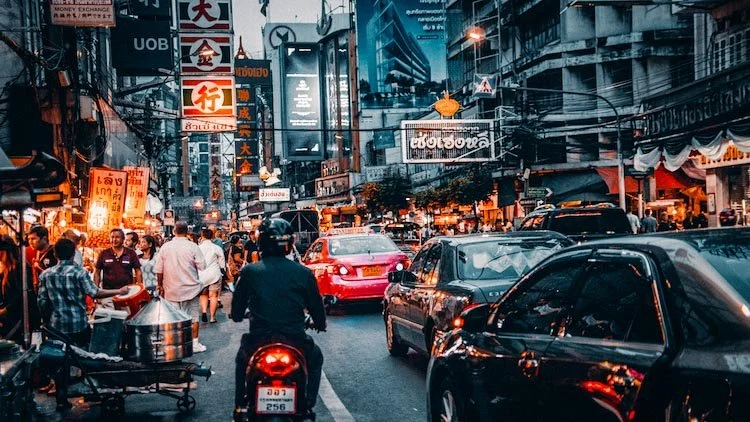
While many might only view the continuous hum of urban noise as a mere inconvenience, it is quietly altering the economic landscape and how we place value on urban space. In most major cities, everyone can observe that silence has become a luxury. Luxury apartments often boast features like being on higher floors, having private courtyards and double-pane windows - in essence putting a price on silence. Living directly next to a road, a train track or a plane route often leads to a significantly lower rental or selling price. What once was simply part of the natural environment has been transformed into something privately owned and sold at the highest bid.
This isn't just about listing prices being affected as the true economic impact of urban noise is that individuals are constantly subjected to a low-level physical stress. Despite people believing they have silenced the constant buzzing of trucks, construction or sirens as their nervous systems respond to the noise. Individuals often have elevated blood pressure, disrupted sleep and elevated cortisol levels leading to an overall gradual accumulation of costs: difficulty focusing in the workplace, poor test performance in areas with significant urban noise and an increased likelihood of developing heart-related issues ultimately impacting public healthcare. Overall, this directly impacts human capital without typically being listed on a financial document.
Noise pollution exists primarily because it is a true free-for-all in terms of economics. While a delivery service might benefit from being able to operate quickly and cheaply using loud diesel vehicles, those nearby suffer from disrupted sleep and increased stress levels as the individual creating the noise ultimately pays nothing for it. Because of this, there is no reason to switch to quieter vehicles, redirect routes away from people or even change delivery times as the costs are ultimately placed on others, leading to a significant disparity between benefit and the surrounding public.
Ultimately, solving this issue would require altering these costs: in some areas, individuals are now using decibel detectors to charge those using modified exhausts while in others, developers are being given tax credits for adding sound insulation and adding green walls. Not only will replacing certain pavement with quieter options be beneficial, but switching to electric buses to reduce overall noise will also be far more than just a visual change as it will also directly contribute to economic benefits. Ultimately, by recognizing that silence should not be seen as a luxury only afforded the richest parts of modern cities but should be recognized as part of public infrastructure, people can truly make modern cities livable.
Article written by Akezhan Shayekin | Proofread by Beksultan Zakariya
