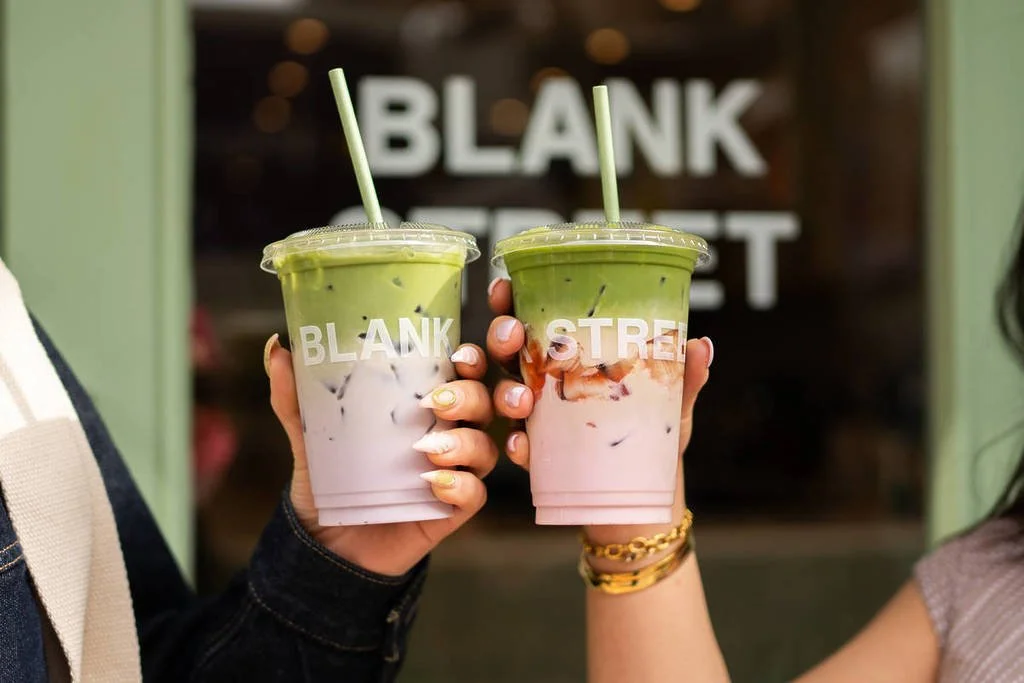
From matcha cafés in Tokyo to “that girl” routines on TikTok, global consumption has become a performance. Millions of videos glamorize buying — not out of need, but for the aesthetic. Yet behind the green lattes and collectible figurines lies an economic truth: the more we consume, the less satisfaction we gain. Economists call it diminishing marginal utility. Gen Z now drives over 40% of global luxury growth, while short-lived TikTok trends generate billions in micro-purchases — candles, skincare, supplements, and sneakers that promise identity more than function. Like Formula One selecting host cities, trend cycles choose their markets strategically. TikTok and Instagram algorithms act as the new “event organizers,” rewarding novelty and visibility. Brands pay to “host” the trend — collaborating with influencers, sponsoring “aesthetic hauls,” or launching limited editions.
The entry fee? Attention. Consumers fund the spectacle not with tickets but with their wallets and data. Companies like Starbucks, Glossier, and Dyson have mastered the art of turning viral appeal into real-world spending. In classical economics, marginal utility measures how much additional satisfaction a person gets from consuming one more unit of a good. The first matcha of the week feels indulgent; the fifth just drains your card.
Social media, however, rewires that equation. The satisfaction isn’t from the product itself but from displaying it — posting, comparing, collecting. The decline in personal utility is masked by social utility.
Each new purchase brings less joy but more visibility — until the next micro-trend resets the cycle. Just as F1 teams rely on corporate sponsors, influencers and brands rely on each other to keep the consumption engine running. A creator’s “aesthetic partnership” functions as digital sponsorship — brands trade products for association with cultural relevance.
Big players like Dior Beauty or MatchaBar invest in curated influencer deals, paying not for reach alone but for cultural placement. Like Red Bull in racing, they fund the ecosystem that sustains their own image. For individuals, the cost of overconsumption is harder to calculate. Beyond money, it’s attention fatigue, identity pressure, and emotional burnout. Economically, the marginal utility of material goods declines — but the social expectation to consume does not.
For brands, constant reinvention carries risks too. Saturated trends lose authenticity fast, forcing companies to chase virality instead of loyalty.
In the end, the same economic forces that make F1 a global spectacle — high entry costs, short-lived attention, and intense competition — define the modern consumption cycle.
As consumption becomes performance and trends replace seasons, the question isn’t whether we’ll stop buying — but whether we’ll ever feel full. Marginal utility, once a classroom theory, now defines the rhythm of our digital lives.
Article written by Adiya Yessen | Proofread by Zhangir Zhangaskin
