Section 1:
The Past: The economy before oil’s enormous impacts on the country.
The UAE was never all skyscrapers and modern life, in fact life in the UAE has shifted remarkably, but the values of the Emirati society remain consistent amid life's rapid changes. During the 1950s, the UAE’s economy was dependent on fishing and a declining pearl diving industry, with families relying on natural resources to provide for basic needs, Dr Fatima Al Sayegh, professor of history at Zayed University, said that
"In the past, it was a simple village life. Palm trees were used to provide dates as food for the family. Palm tree branches were used to build the house roofs. Tree trunks supported tents and flooring of dwellings were made by woven palm leaf strips,"
In the past, the small houses of low roofs were close to each other where families got their milk and cheese from cows and goats, and their water from a well.
But the life change in UAE didn't happen overnight. The ministry of finance described the UAE progress as a gradual process.
1950s: The evolution of the UAE: how oil discovery rapidly developed the UAE.
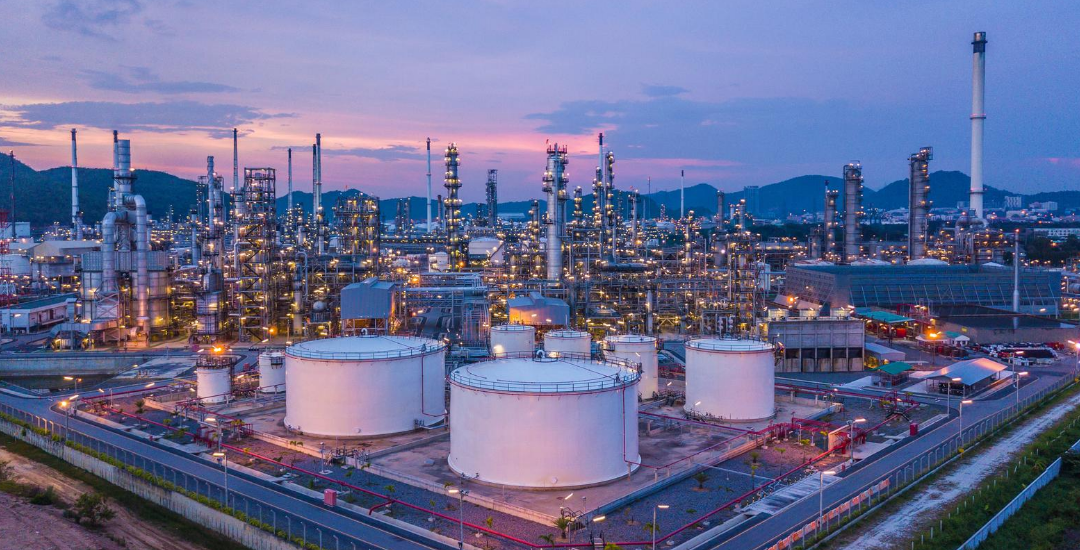
In 1958, oil was first discovered in the offshore fields of Abu Dhabi, at Umm Shaif, and later in onshore fields like Bab. Commercial oil production began in the early 1960s, and the first exports left in 1962, marking a major economic shift. Oil quickly became the country's economic backbone, enabling it to shift from subsistence-based activities to large-scale development. The population of the UAE was around 280,000 yet they generated 121 million dollars ( in today’s money) in 1970 and this ensured a GDP per capita of around $30,000 which hadn’t yet been achieved by most leading countries in the world. In fact, the GDP Per capita of the United Kingdom in 1970 was only around $5,000. In 1971, the founding father of Abu Dhabi, Sheikh Zayed, implemented a nationwide development process to enhance several areas. The UAE has made significant progress in various sectors, including education, housing, health, agriculture, and infrastructure. As a result, the 7 emirates rose to the top of global rankings in indicators such as per capita income, roads, health, quality of services, and competitiveness by the early 2000s. The key focus, according to Dubai’s ruler Sheikh Rashid bin Saeed Al Maktoum, was to use the revenue to improve its people’s quality of life, hence we saw a rapid growth in infrastructure.
1970s: What developments were made after the 1970s?
The first airport in Dubai was opened in 1970, and in 1973, dredging started in the Dubai Creek. To implement these huge projects, Sheikh Rashid bin Saeed Al Maktoum had to borrow billions of dollars. All the efforts were paid off tremendously when the port was transformed into one capable of accommodating ocean-going vessels and the gold re-export sector was established, hence the Dubai before and after economic revolution. Today, Dubai stands as a retail, commercial, business and investment capital of Africa and the Middle East, and one of the world`s leading cities. From the busy Dubai International Airport to the giant Dubai Mall, the city has some of the world`s most impressive infrastructure facilities. In addition, Dubai emerged as a leading international tourist destination with its world-class hotels, exclusive resorts and spectacular natural scenes of desert dunes. Furthermore, the UAE stands as an economic hub for the Middle East, with Jebel Ali Port in Dubai being the biggest port in the region. A lot of international companies have hubs in the UAE , for example DHL forwards all their mail to Asia through Dubai International Airport, and in total the airport manages more than more than 140 million passengers a year and around 2 million tonnes of cargo.
2000s: Issues of an Oil-dependent economy
In the 2000s, the UAE faced significant challenges stemming from its reliance on oil, which exposed the economy to various vulnerabilities. The global oil price fluctuations had a direct impact on the UAE's fiscal health, leading to periods of economic volatility. For instance, while oil exports peaked in 2012, contributing significantly to revenue, subsequent declines in oil prices created budgetary constraints and fiscal deficits by 2016. The hydrocarbon sector's performance was inconsistent, with a notable decrease in oil production due to OPEC agreements, which further weakened economic growth prospects. This dependency also manifested in low productivity levels across non-oil sectors, as the economy struggled to transition away from its oil-centric model. The labor market was heavily skewed towards unskilled foreign workers, leading to a mismatch between job requirements and local skills, which exacerbated unemployment issues among Emiratis. Additionally, the real estate sector experienced oversupply and declining property prices, particularly in Dubai and Abu Dhabi, reflecting broader economic challenges. Despite efforts toward diversification through initiatives like Vision 2021 and various economic stimulus plans, the UAE's heavy reliance on oil revenues continued to pose risks to sustainable growth throughout the decade.
2020s: How the UAE is combatting an oil-dependent economy.
There were significant strides in diversifying the economy away from oil dependency, which historically constituted about 90% of its GDP but has since decreased to around 30%. This shift is largely driven by the expansion of various sectors, including tourism, construction, technology, and clean energy, each contributing to a more resilient economic framework.
Tourism has emerged as a critical component of the UAE's diversification strategy. In 2023, the sector contributed approximately 11.7% to the national GDP, with Dubai attracting over 10.62 million tourists in just the first seven months of 2024. Major attractions like the Burj Khalifa and the upcoming Dubai Creek Tower are pivotal in enhancing the UAE's global tourism appeal.
In addition to tourism, the construction sector is experiencing robust growth, projected to reach AED 189.59 billion in 2024. Notable projects include the Etihad Rail Network, designed to connect all seven emirates and improve transportation efficiency while reducing carbon emissions. The rail network is expected to enhance economic connectivity and support trade across the region.
The technology sector is also rapidly expanding, positioning the UAE as a leading innovation hub in the Middle East. The government has initiated various programs to foster tech development, including establishing innovation hubs and supporting startups through public-private partnerships. Investment in the tech sector has surged, with significant funding directed towards artificial intelligence and digital transformation initiatives. The UAE is home to NYUAD, UOBD, HWUD which brought approximately 30,000 students from all around the globe in 2023, which contributes to new ideas and heightened diversity in the UAE.
The Future: How the UAE Economy will grow
The future of the economy of the UAE, in my opinion, is very bright. One notable project is the Hyperloop, a high-speed transportation system designed to connect Dubai and Abu Dhabi in just 12 minutes. According to Khaleej times, “This ambitious project aims to revolutionize travel within the UAE, enhancing connectivity between major cities and promoting economic activity by facilitating faster movement of people and goods”.
Another significant initiative is the Dubai 2040 Urban Master Plan, which focuses on sustainable urban development to accommodate a projected population increase to 5.8 million by 2040. The plan includes the expansion of green spaces by 55%, improving public parks, and enhancing public transportation accessibility. This comprehensive approach aims to create vibrant communities that support economic growth while ensuring a high quality of life for residents.
Additionally, the Palm Jebel Ali project is set to enhance Dubai's architectural landscape further. The second palm-shaped artificial island will not only serve as a residential and tourist destination but also improve transportation efficiency for both goods and people, thereby boosting economic activity in the region. Currently, 723 villas , buildings and 80 hotels are being constructed on the man-made island and the Government of the UAE projects a revenue of 1.3 billion dollars per year made by the island.
Furthermore, clean energy investments have exceeded $12 billion, with ambitious targets set under the UAE Energy Strategy 2050. The strategy aims for renewables to constitute 32% of the energy mix by 2030. Projects like the Mohammed bin Rashid Al Maktoum Solar Park, which is set to be one of the largest solar installations globally, exemplify this commitment. In 2023 alone, renewable energy capacity increased by 70%, highlighting the UAE's focus on sustainability and reducing its carbon footprint.
Article written by Chintan Chokani | Proofread by Zhangir Zhangaskin
